Delta Hey Max Nine: The Retro Curly Typeface for Playful Digital Brands
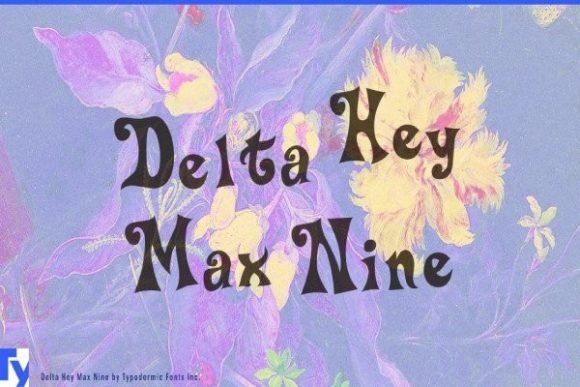
I was staring at a blank hero section on a boutique online store project, feeling the usual creative block that comes with trying to balance professionalism and personality. My client wanted a brand that felt approachable and fun, but I needed something that wouldn't look cheap or cluttered when rendered on mobile devices. That is when I decided to test Delta Hey Max Nine, a silly, retro curly display font created by Typodermic Fonts, directly into my Figma layout. This design will give your craft the fun and playful appearance you are looking for, and seeing it transform the entire mood of the landing page was an instant revelation.
Why Delta Hey Max Nine Works Best for Boutique Online Store Headers
When integrating Delta Hey Max Nine into the header of a digital storefront, the immediate visual impact is undeniable. Unlike standard sans serif fonts that can feel sterile, this typeface introduces a whimsical, hand-crafted energy that invites users to explore. As a freebie in the world of premium fonts, it offers a unique texture that elevates product banners without overwhelming the interface. I tested placing the font over a soft pastel background image, and the curly terminals caught the eye perfectly, creating a focal point that guided the user's attention straight to the "Shop Now" call-to-action. For brands selling handmade goods, crafts, or lifestyle products, this font acts as a visual handshake, signaling that the business values creativity and charm.
How Delta Hey Max Nine Enhances Mobile Responsiveness and Readability
One of the biggest concerns when using a decorative display font is legibility on smaller screens, but Delta Hey Max Nine handles responsive layouts with surprising grace. I spent time scaling the font down to fit within a 320px mobile view, and the curves remained distinct enough to be recognized without blurring or losing their character. However, I learned quickly that this font is best reserved for short phrases, headlines, and hero titles rather than body copy. When used for large section headings on a tablet or phone, the text retains its playful bounce while maintaining clear spacing. If you are building a campaign landing page, using this font for the main value proposition ensures that the message feels personal and engaging, even when the screen real estate is limited.
Pairing Delta Hey Max Nine with Clean Sans Serif for Better User Experience
To create a balanced digital identity, I paired Delta Hey Max Nine with a simple, geometric sans serif font for the body text and navigation elements. This combination allows the curly display font to take center stage as the primary visual hook while ensuring that the instructional content remains highly readable and professional. Using a clean sans serif for paragraphs prevents the user from experiencing "visual fatigue," which can happen if every line of text has too much personality. In the context of a coaching website or a course sales page, this hierarchy helps guide the reader through the story: the headline grabs them with the fun vibe of Delta Hey Max Nine, and the neutral body text delivers the trust-building details they need to convert.
The Role of Delta Hey Max Nine in Digital Brand Kits and Social Graphics
Beyond the website itself, I found that Delta Hey Max Nine is incredibly versatile for creating cohesive social media graphics and digital ad campaigns. Since this design will give your craft the fun and playful appearance you are looking for, it serves as a perfect anchor for Instagram posts, Pinterest pins, and email newsletter headers. When I applied the font to a series of promotional images for a small business client, the consistent use of these retro curls helped establish a recognizable brand voice across different platforms. It transforms a generic template into a custom-branded asset that stands out in a crowded feed. For creators looking for high-quality freebies that don't sacrifice style, having a single font that works across web headers and social assets is a massive efficiency booster.
Using Delta Hey Max Nine to Build Trust in Creative Portfolio Sites
For designers and artists showcasing their work, the typography on a portfolio homepage sets the tone for the entire experience. I experimented with using Delta Hey Max Nine as a logo treatment or a signature tagline on a designer's about page, and it added a layer of authenticity that standard fonts often lack. The font's quirky nature suggests that the creator behind the site is thoughtful, artistic, and not afraid to stand out. When visitors land on a page featuring this typeface, they immediately understand the aesthetic direction of the brand. It creates an emotional connection before they even read a single sentence of the bio. Whether you are a freelancer, a photographer, or a digital marketer, incorporating this font into your personal brand kit can significantly enhance your perceived creativity and attention to detail.
Best Practices for Implementing Delta Hey Max Nine in Web Design Projects
Before finalizing any project with Delta Hey Max Nine, it is crucial to check the included styles and ensure you have the correct commercial license for web usage. While many fonts come with basic weights, some display fonts may require specific file formats like WOFF2 for optimal performance on modern browsers. I recommend testing the font against both dark and light backgrounds to ensure sufficient contrast, especially since the curly details can sometimes get lost on busy images. For the best results, keep the font size generous for headings and avoid using it for long blocks of text. By treating it as a strategic accent rather than a utility font, you can leverage its full potential to create a polished, memorable online presence that feels both retro and refreshingly modern.